
Anti-Slip Flooring & Floor Safety Products
Shop anti-slip flooring and floor-safety products for stairs, ramps, walkways, decking and commercial floors. Compare self-adhesive safety tape, GRP stair tread and nosing covers, anti-slip sheets, decking strips, grating and safety matting.
Choose according to the surface, pedestrian traffic, contaminants, dimensions, fixing method and documented slip-resistance performance. No product can make every floor slip-proof in all conditions.
Anti-Slip Flooring for Stairs, Ramps and Walkways
Anti-slip flooring products can be used to improve the walking surface on compatible stairs, ramps, decking, platforms and industrial or commercial floors. The correct solution depends on the existing surface, location, pedestrian traffic, contamination risk and amount of coverage required.
This department includes self-adhesive anti-slip tape, glass-reinforced plastic stair covers and nosings, flat sheets, decking strips, grating and selected safety matting. These products should form part of a wider floor-safety system that also includes suitable flooring, cleaning, drainage, lighting, footwear and regular inspection.
Choose the Correct Anti-Slip Product
Self-Adhesive Anti-Slip Floor Tape
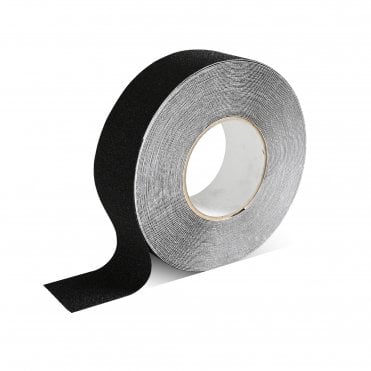
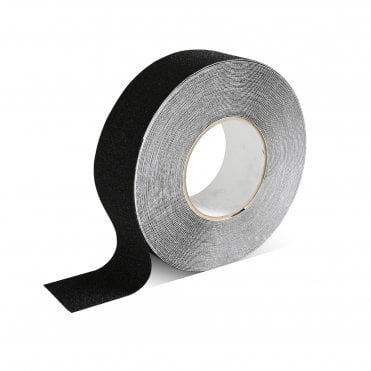
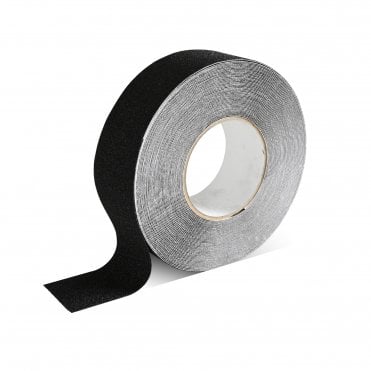
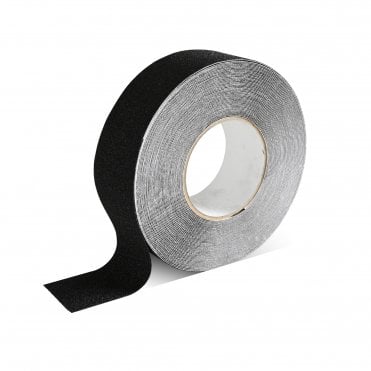
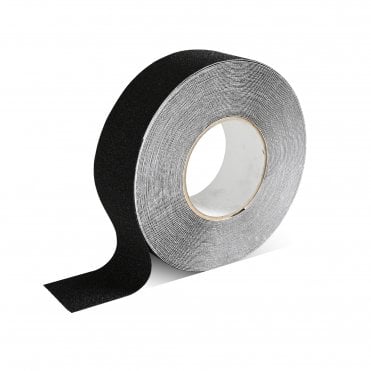
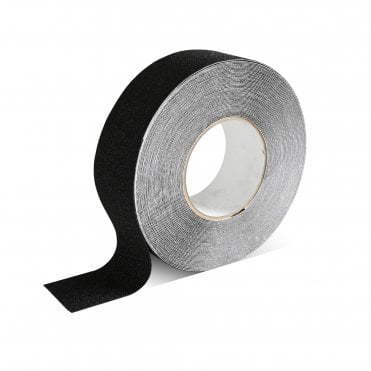
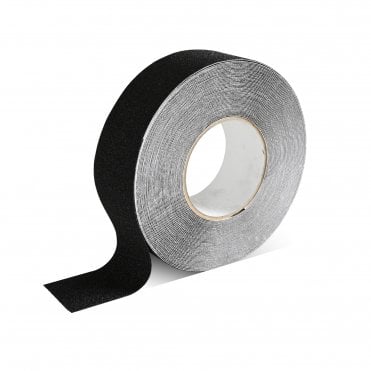
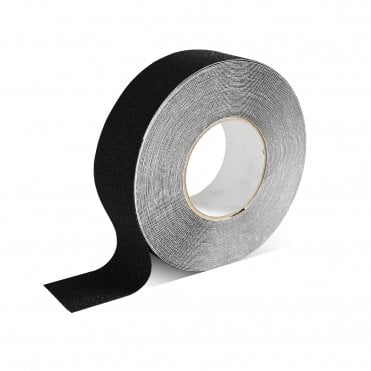
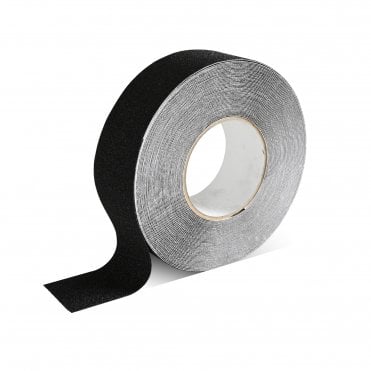
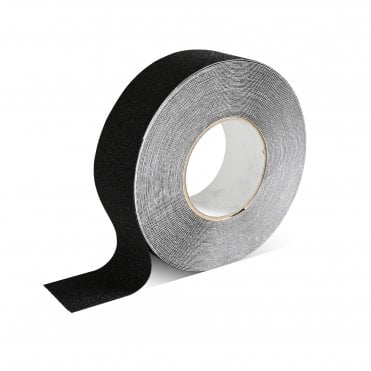
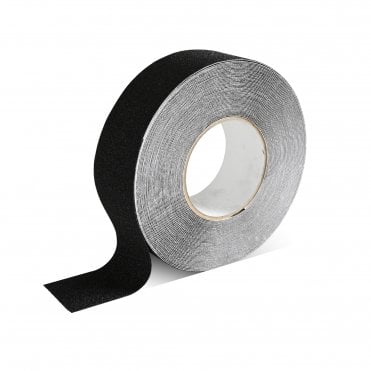
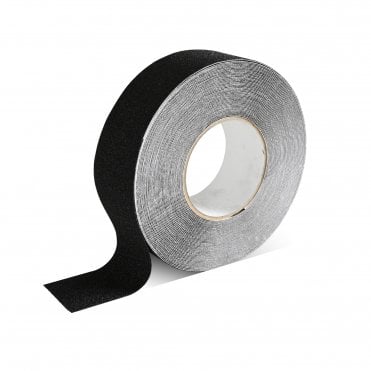
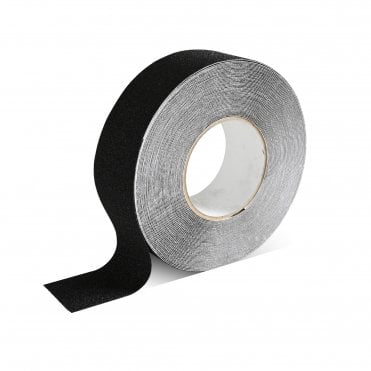
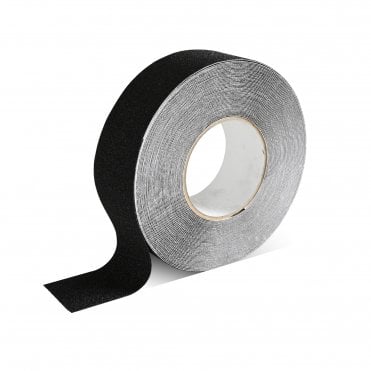
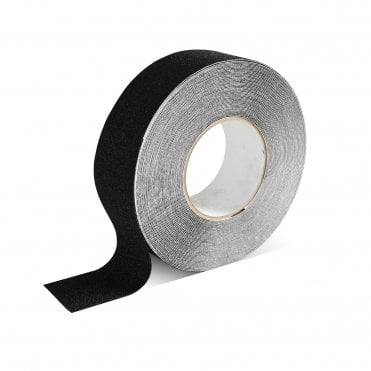
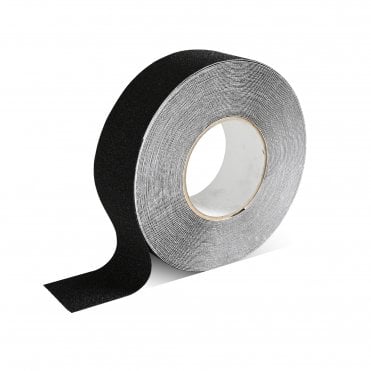
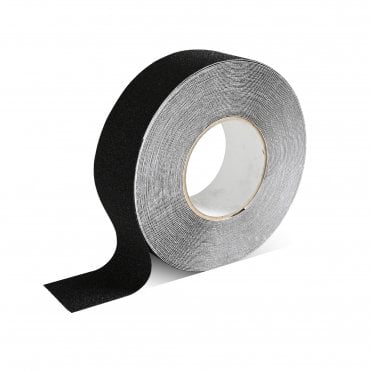
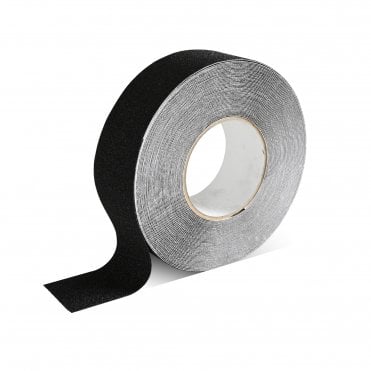
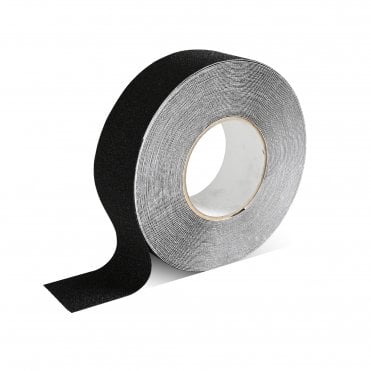
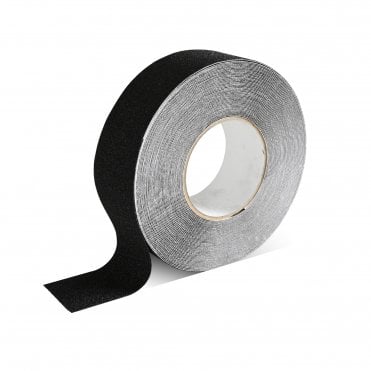
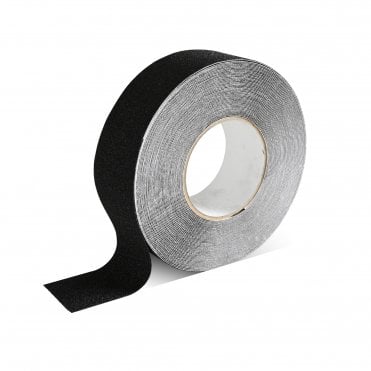
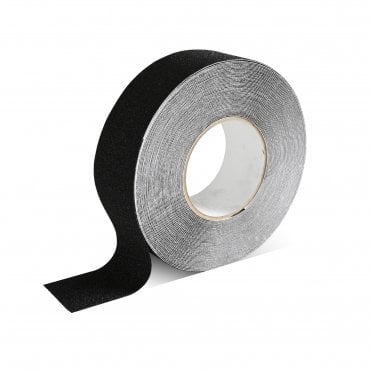
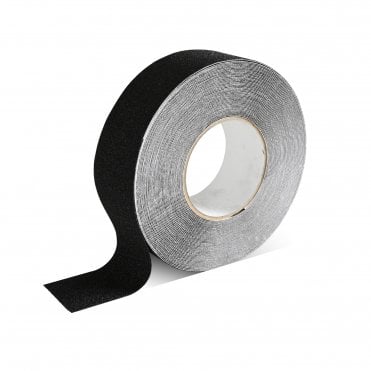
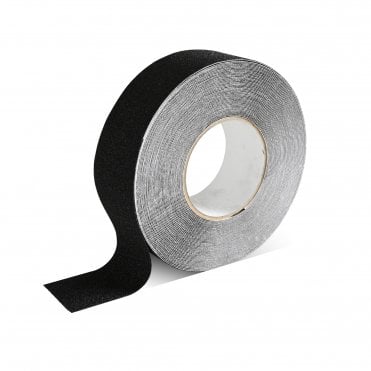
Anti-slip tape provides targeted coverage on compatible steps, ramps, entrances and designated pedestrian routes. It is useful where complete sheet coverage is unnecessary or where contrasting colours are required to identify an edge or route.
Check the tape grade, width, roll length, surface compatibility and intended environment. The substrate must normally be firm, clean, dry and free from oil, dust and loose material. A general-purpose adhesive tape must not be assumed suitable for every porous, uneven, wet or chemically exposed surface.
GRP Stair Tread Covers
GRP stair tread covers fit over compatible existing steps to provide a gritted walking surface across the tread and leading edge. Options may include different lengths and contrasting nosing colours.
Measure the usable tread width and depth, including the front profile, before ordering. Confirm the required mechanical fixings, adhesive, edge clearance and installation method for the existing concrete, timber or metal staircase.
GRP Stair Nosing Covers
Stair nosing covers provide targeted coverage around the leading edge of a compatible step. The range includes different profiles, so a 55mm x 55mm cover must not be treated as a variation of a structurally different 70mm x 30mm profile.
Colour contrast may help make the edge more visible, but colour alone does not establish compliance with a building or accessibility requirement. The complete staircase and installation must be assessed for the intended building and users.
GRP Anti-Slip Flat Sheets
Flat GRP sheets can cover compatible platforms, landings, ramps and pedestrian walkways where a larger continuous area requires a gritted surface. Compare the sheet width, length, thickness, colour and grit specification.
Large sheets may require cutting, drilling, mechanical fixing and adhesive. Check whether the supplier permits cutting and obtain the correct installation instructions before beginning work. Finished edges and fixings must not create an additional trip hazard.
GRP Decking Strips
GRP decking strips provide narrower lines of coverage on compatible timber, composite or metal walkways. They are intended for strip-applied coverage and should not be presented as a replacement for a complete stair tread cover or full floor sheet.
Confirm the required spacing, strip width, length, fixing points and substrate condition. Timber or decking that is rotten, unstable or structurally damaged must be repaired rather than simply covered.
GRP Grating and Anti-Slip Plates
GRP grating and rigid anti-slip plates are separate product types with different constructions and installation requirements. Compare the complete dimensions, load requirements, support structure, surface profile and published test information.
Do not rely on descriptions such as “level 3”, “heavy duty” or “suitable for wheelchairs” unless the relevant test method, result and installation conditions are identified in the product documentation.
Safety Mats and Walkway Matting
Safety mats and roll-out walkway matting can provide a removable walking or standing surface in selected wet, industrial and commercial areas. Some designs allow liquids and loose dirt to pass through the mat.
Open or free-draining construction does not guarantee that the underlying floor will drain correctly. Both the matting and the floor beneath it require inspection and cleaning.
How to Select the Right Floor-Safety Product
- Identify the hazard: Establish whether the main risk involves water, oil, grease, loose dirt, worn steps, uneven decking or trailing cables.
- Check the substrate: Confirm whether the surface is concrete, timber, metal, tile, GRP or another material.
- Assess the environment: Check indoor or outdoor use, temperature, weather, UV exposure and the contaminants present.
- Measure carefully: Record the complete width, length, depth and edge profile of the area.
- Review pedestrian traffic: Confirm the expected frequency and type of foot traffic, including trolleys or mobility equipment.
- Verify performance: Look for a named slip-resistance test method and result rather than an unsupported safety claim.
- Select the fixing method: Check whether adhesive, mechanical fixings or both are required.
- Plan maintenance: Consider how the installed surface and the area beneath it will be inspected and cleaned.
Understanding Slip-Resistance Information
Terms such as anti-slip, non-slip and slip-resistant do not prove that a product will perform identically on every surface or in every environment. Results can vary according to the test method, footwear, contamination, installation, wear and cleaning.
Where a product publishes a coefficient, pendulum test value, classification or resistance level, the product page should identify the complete test method and whether the result applies under dry, wet or contaminated conditions. Values obtained using different methods should not be compared as though they are equivalent.
Installation and Maintenance
The supporting surface should be stable, suitably prepared and capable of accepting the selected fixings. Remove loose material, grease, dust, damaged coatings and standing water according to the installation instructions.
Position sheets, covers and strips without unsecured edges, raised fixings or unsupported sections. Large GRP products may require mechanical fixings as well as adhesive. Follow the specified fixing pattern and curing time rather than relying on adhesive alone.
Inspect the finished installation regularly for movement, worn grit, damaged edges, loose fixings, contamination and surface deterioration. Clean it using methods compatible with the exact material. Replace damaged sections rather than allowing them to become a new trip hazard.
Related Mats and Flooring
- Browse rubber stair treads and step mats.
- View floor cable protectors and cable covers.
- Compare industrial rubber flooring and matting rolls.
- Shop anti-fatigue mats.
- Explore wet-area matting and roll-out duckboards.
- View the complete mats and flooring range.
Frequently Asked Questions
What is the difference between anti-slip and non-slip?
Both terms are commonly used for products intended to improve surface grip. Neither means that slipping is impossible. Published test results and the intended operating conditions provide more useful information.
Should I use anti-slip tape or a GRP cover?
Tape provides targeted self-adhesive coverage on compatible prepared surfaces. GRP covers provide a rigid gritted surface and normally require more substantial fixing. Choose according to the substrate, traffic and required coverage.
Can GRP anti-slip products be installed outdoors?
Selected products may be suitable for outdoor use, but weather, UV, temperature and fixing suitability must be verified for the exact product.
Can anti-slip sheets be installed over any surface?
No. The surface must be structurally suitable and compatible with the prescribed adhesive and mechanical fixings. Damaged or unstable substrates should be repaired first.
Are contrasting stair nosings legally compliant?
Colour contrast can form part of a compliant staircase design, but a coloured nosing alone does not establish compliance. The complete stair dimensions, profiles, visibility, lighting and installation must be assessed.
Can anti-slip flooring prevent every fall?
No. Floor condition, contaminants, footwear, cleaning, lighting, installation and user behaviour all influence slip and trip risk.