
Industrial Mats & Workplace Safety Matting
Shop industrial mats and workplace matting for factories, workshops, warehouses, production areas and commercial premises. Compare anti-fatigue mats, rubber flooring, anti-slip and drainage matting, electrical insulating mats, ESD-control products and modular flooring systems.
Select matting according to the actual workplace hazard, environment and documented product specification. Electrical rating, ESD resistance, oil or chemical resistance and slip performance must be checked for the exact product rather than assumed across the range.
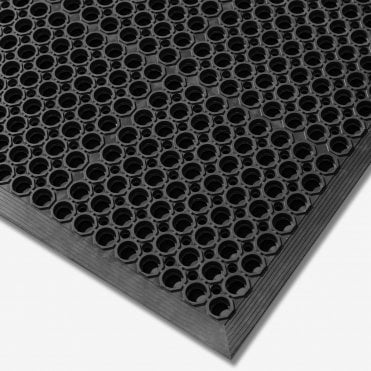
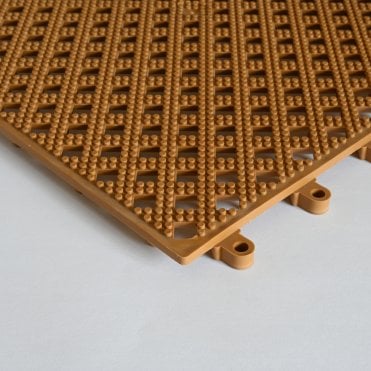
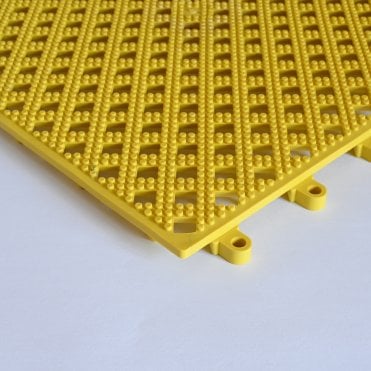
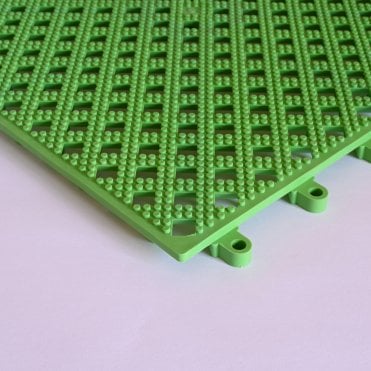
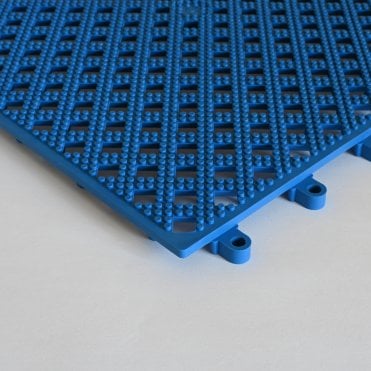
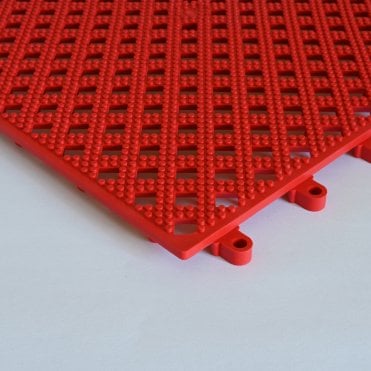
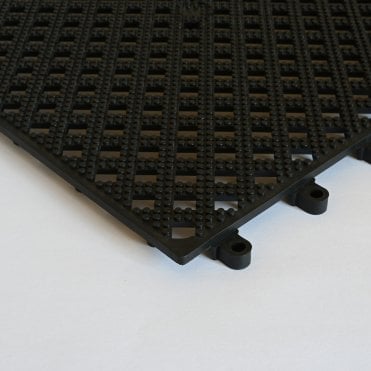
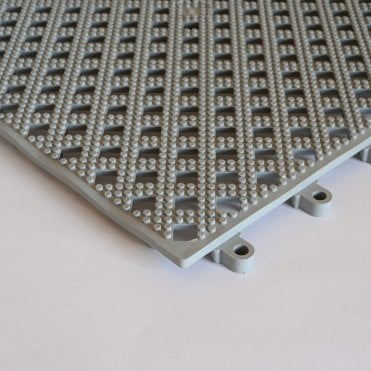


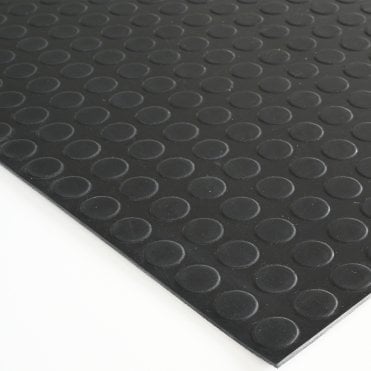
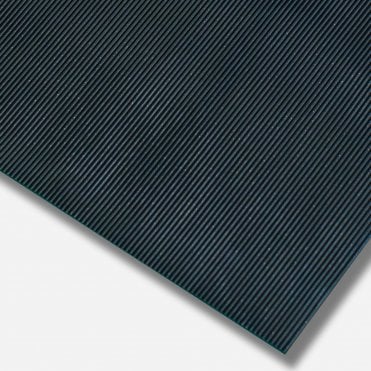
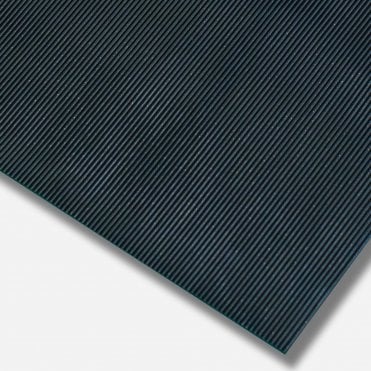
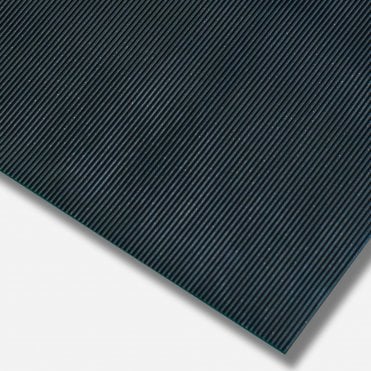
Industrial Mats for Factories, Workshops and Warehouses
Industrial mats are used to provide floor protection, standing comfort, drainage, surface grip or specialist electrical performance in working environments. Our range covers individual workstation mats, cut lengths, complete rolls and modular flooring systems for compatible factories, workshops, warehouses, assembly areas and commercial premises.
No single industrial mat is suitable for every workplace. The correct choice depends on the intended purpose, floor condition, foot or wheeled traffic, liquids present, required dimensions and any documented electrical, chemical or fire-performance requirements.
Choose Industrial Matting by Application
Anti-Fatigue Mats for Standing Workstations
Anti-fatigue matting provides a cushioned standing surface for compatible workbenches, assembly areas, packing stations and production lines. Options include individual mats, long runners and modular systems for covering larger working areas.
Compare the mat construction, thickness, surface design, edge profile and suitability for dry, wet or oily conditions. A general anti-fatigue description does not establish oil, chemical, fire or electrical resistance.
Rubber Flooring Rolls and Cut Lengths
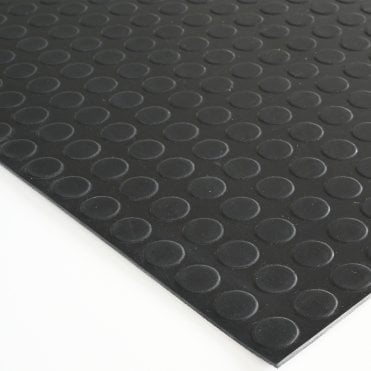
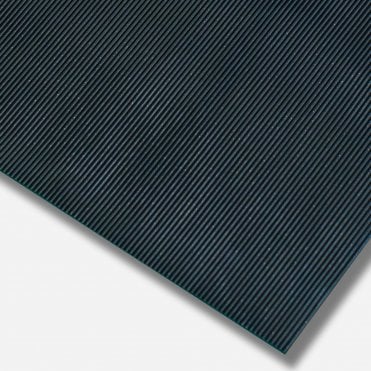
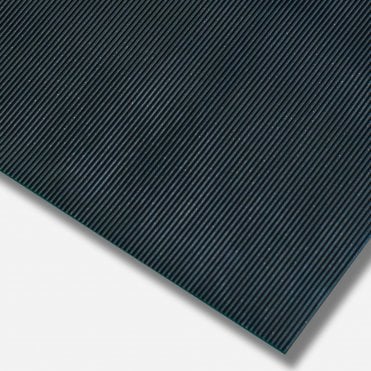
Industrial rubber flooring can protect compatible floors and provide a hardwearing surface in garages, workshops, storage areas and other commercial environments. Available designs include ribbed, penny, plate and chequered surface patterns.
Check the available width, thickness and length together with the material specification. Surface pattern alone does not establish slip resistance or suitability for oils, chemicals, vehicles or heavy equipment.
Anti-Slip and Drainage Matting
Open and textured matting can allow water or other liquids to pass beneath the standing surface. This may be useful in compatible wet work areas, preparation spaces and locations where drainage is required.
No mat can eliminate slips. Performance depends on the exact product, contaminants present, underlying floor, drainage, installation, cleaning, footwear and maintenance.
Electrical Insulating Matting
Electrical insulating matting is intended for selected working areas around switchboards, electrical equipment and repair stations. Choose it only using the documented standard, class, test voltage and maximum working voltage for the exact product.
A high test voltage must not be presented as the permitted working voltage. Supplier certificates and the relevant workplace electrical risk assessment should be checked before installation.
ESD Floor and Worktop Matting
ESD-control matting is used in appropriately designed electrostatic protected areas where static-sensitive electronic components or equipment are handled. The range includes floor mats and worktop matting with published resistance values.
ESD matting normally forms part of a wider control system involving suitable grounding, personnel equipment, installation and regular testing. It must not be sold as a complete ESD solution by itself.
Modular Tiles and Duckboard Systems
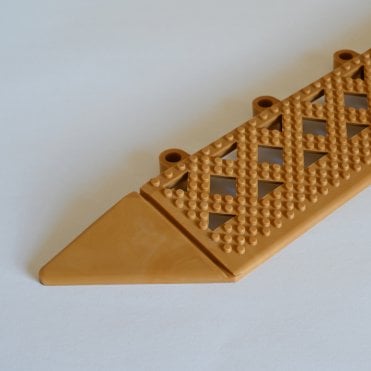
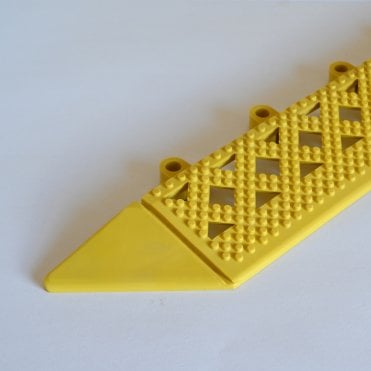
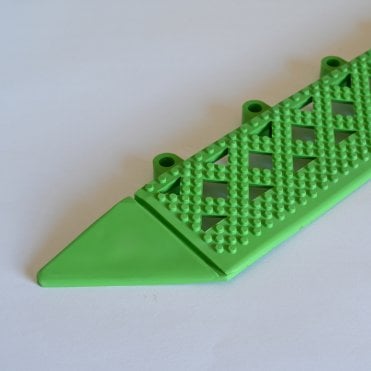
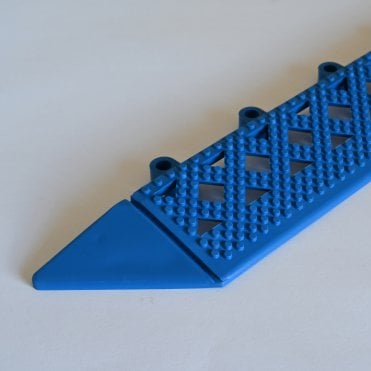
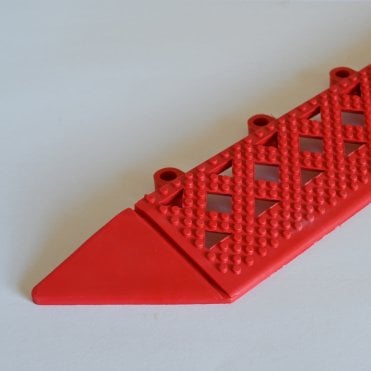
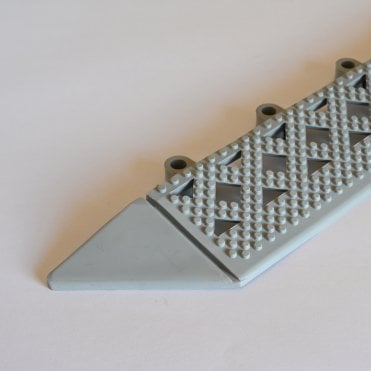
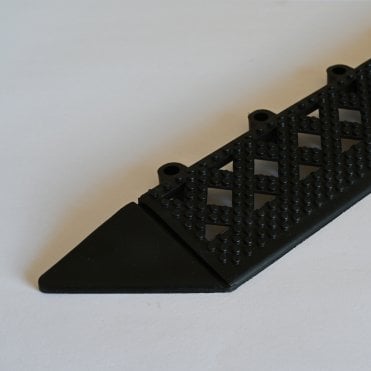
Interlocking tiles and modular duckboards allow sections to be joined to cover a larger area. Compatible edge pieces can create a more gradual transition around the finished installation.
Only components from the same compatible system should be joined. Confirm the material, tile dimensions, overall height, connection method and suitability for the intended environment.
Electrical Insulating Matting and ESD Matting Are Different
These two product types must not be treated as interchangeable. Electrical insulating matting is designed to resist electrical current and help separate a person from an energised source within its documented limits. ESD-control matting is designed to dissipate electrostatic charge through a controlled grounding system.
Using “electrical mat”, “anti-static mat” and “ESD mat” as if they mean the same thing is technically wrong and potentially dangerous. The exact electrical function must be prominent in every product title, specification and filter.
How to Select the Correct Industrial Mat
- Identify the primary requirement: standing comfort, floor protection, drainage, grip, electrical insulation, ESD control or modular coverage.
- Assess whether the location is dry, wet, oily or exposed to specific chemicals.
- Measure the complete usable floor or worktop area, including doors, equipment, drains and access routes.
- Choose between a fixed-size mat, cut length, complete roll or modular system.
- Check the material, thickness, surface pattern, edge design and cleaning instructions.
- Verify every relevant test standard, resistance value, voltage rating or chemical-compatibility claim.
- Confirm installation and maintenance requirements before ordering.
Fixed Mats, Cut Lengths or Full Rolls?
Fixed-size mats are practical for individual workstations and defined standing areas. Cut lengths allow a longer runner to be ordered without purchasing a complete roll, while full rolls are intended for larger installations.
Modular tiles are useful where the floor shape or required coverage makes a conventional roll difficult to install. Account for edge pieces, connectors, cutting waste and the direction of the surface pattern when calculating quantities.
Installation and Maintenance
Install matting on a firm, stable and suitably prepared surface. Mats and rolls should lie flat without curled edges, unsecured overlaps or movement that could create a trip hazard.
Follow the exact cleaning instructions for the selected material. Oils, water, swarf, dust and cleaning-product residue can affect surface performance. Lift and inspect the matting regularly, clean the underlying floor and replace damaged or permanently deformed sections.
Specialist electrical and ESD installations may require grounding components, testing equipment and installation by a competent person. Retain the relevant product documentation and inspection records where required by the workplace safety system.
Related Mats and Flooring
- Browse industrial rubber flooring and matting rolls.
- View anti-fatigue mats for standing workstations.
- Compare floor safety and slip-resistance products.
- Explore PVC flooring and modular tiles.
- Find wet-area systems in our wet-area matting and roll-out duckboards department.
- View the complete mats and flooring range.
Frequently Asked Questions
What is an industrial mat?
Industrial matting is designed for a defined workplace purpose such as standing comfort, floor protection, drainage, surface grip, electrical insulation or ESD control.
Which mat is suitable for standing at a workbench?
Choose an anti-fatigue mat intended for the relevant dry, wet or oily environment. Compare its dimensions, thickness, surface, edge design and material before ordering.
Are all industrial mats oil-resistant?
No. Oil resistance depends on the exact material and published specification. It must not be assumed simply because a mat is described as industrial or made from rubber.
Is an ESD mat the same as an electrical insulating mat?
No. ESD matting dissipates electrostatic charge through a controlled system, while electrical insulating matting is designed to resist electrical current within documented limits.
Does the test voltage equal the safe working voltage?
No. The test voltage and maximum working voltage are different specification values. Always use the documented working-voltage limit for the exact mat.
Can industrial rubber matting be cut?
Selected rolls and cut-length products can be trimmed, but this should not be assumed for every mat. Check the product instructions and avoid leaving edges that could create a trip hazard.
Can industrial mats prevent every slip?
No. Matting can help manage slip risk, but performance also depends on installation, contaminants, drainage, cleaning, footwear, the underlying floor and maintenance.